Cultural reflections How casinos shape societal norms and values
The Historical Context of Casinos
Casinos have long been a part of human society, originating from ancient cultures that embraced games of chance. In many civilizations, gambling was not merely a pastime but a reflection of social dynamics, often connected to rituals and community gatherings. From the Roman Empire’s dice games to the elaborate betting games of the Chinese dynasties, gambling has served as a mirror, revealing the values and norms of the society in which it exists. In this context, exploring the top casino sites can provide insights into contemporary gambling practices.

As casinos evolved, particularly in the 20th century, they began to reflect modern societal values such as individualism and the pursuit of wealth. Las Vegas, often considered the gambling capital of the world, epitomizes this evolution, showcasing how the glamour and excitement of casinos can influence public perception of success and leisure. This shift has led to a normalization of gambling within society, impacting how it is viewed across different demographics.
The Psychological Impact of Gambling
The psychology of gambling plays a significant role in how casinos shape societal norms. Many individuals view gambling as a source of entertainment, while others see it as a means to escape life’s pressures. This duality can lead to conflicting societal attitudes, with some viewing gambling as a harmless pastime while others recognize the potential for addiction and social harm. Such complexities influence how society constructs its norms surrounding gambling.
The thrill associated with gambling taps into deeper psychological needs, such as the desire for excitement and the aspiration for financial gain. Casinos often design their environments to amplify these feelings, using lights, sounds, and layout to create an immersive experience. This manipulation of the senses not only affects individual behavior but also shapes broader societal attitudes toward risk and reward, contributing to the normalization of gambling in everyday life.
Social Norms and Acceptance of Gambling
As casinos proliferate, they foster new social norms related to gambling and risk-taking behaviors. In societies where gambling is accepted, there is often a greater propensity for individuals to engage in such activities, leading to a cyclical effect of normalization. The presence of casinos can shift perceptions from gambling being a taboo to a socially acceptable form of entertainment, thereby altering the moral fabric of communities.
This shift has implications for societal values, as communities redefine what constitutes responsible behavior. In areas with a strong casino culture, discussions around gambling often involve debates about regulation, responsible gaming practices, and the economic benefits versus social costs. These conversations shape public policy and influence how gambling is integrated into the community, highlighting its dual role as both a source of income and a potential source of social issues.
The Role of Casinos in Economic Development
Casinos are often seen as catalysts for economic growth, creating jobs and generating tax revenue for local governments. This economic perspective can lead to a more favorable view of gambling within society, as communities witness firsthand the financial benefits associated with casino operations. This economic advantage can shift societal values towards acceptance, promoting a view of casinos as vital contributors to local economies.
However, the economic impact of casinos is not universally positive. Critics often point to the potential for increased crime rates, gambling addiction, and the exploitation of vulnerable populations. Thus, the societal conversation surrounding casinos balances economic gain with ethical considerations, illustrating how cultural reflections are often layered and complex, and how they inform public sentiment and policy surrounding gambling.
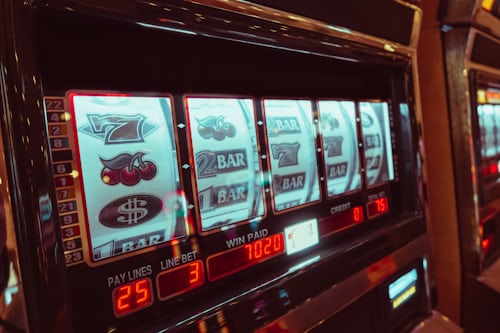
Exploring the Intersection of Gaming Culture and Society
The evolving landscape of gaming culture, including both traditional casinos and online platforms, continues to reshape societal norms. As more individuals engage with gaming as a form of entertainment, there is a cultural shift that reflects broader acceptance of gambling in everyday life. This change is particularly visible among younger generations, who view gaming and gambling as integral parts of their social experiences.
As society becomes more intertwined with gaming culture, it is essential to consider how these norms will evolve. With advancements in technology and changing attitudes, the discussion about responsible gaming and the balance between entertainment and risk will likely continue to shape societal values. The platform that serves as a resource for gamers plays a crucial role in this dialogue, fostering a community where discussions about the impact of casinos and gambling are both encouraged and informed.